(425) 343-3924
(425) 343-3924

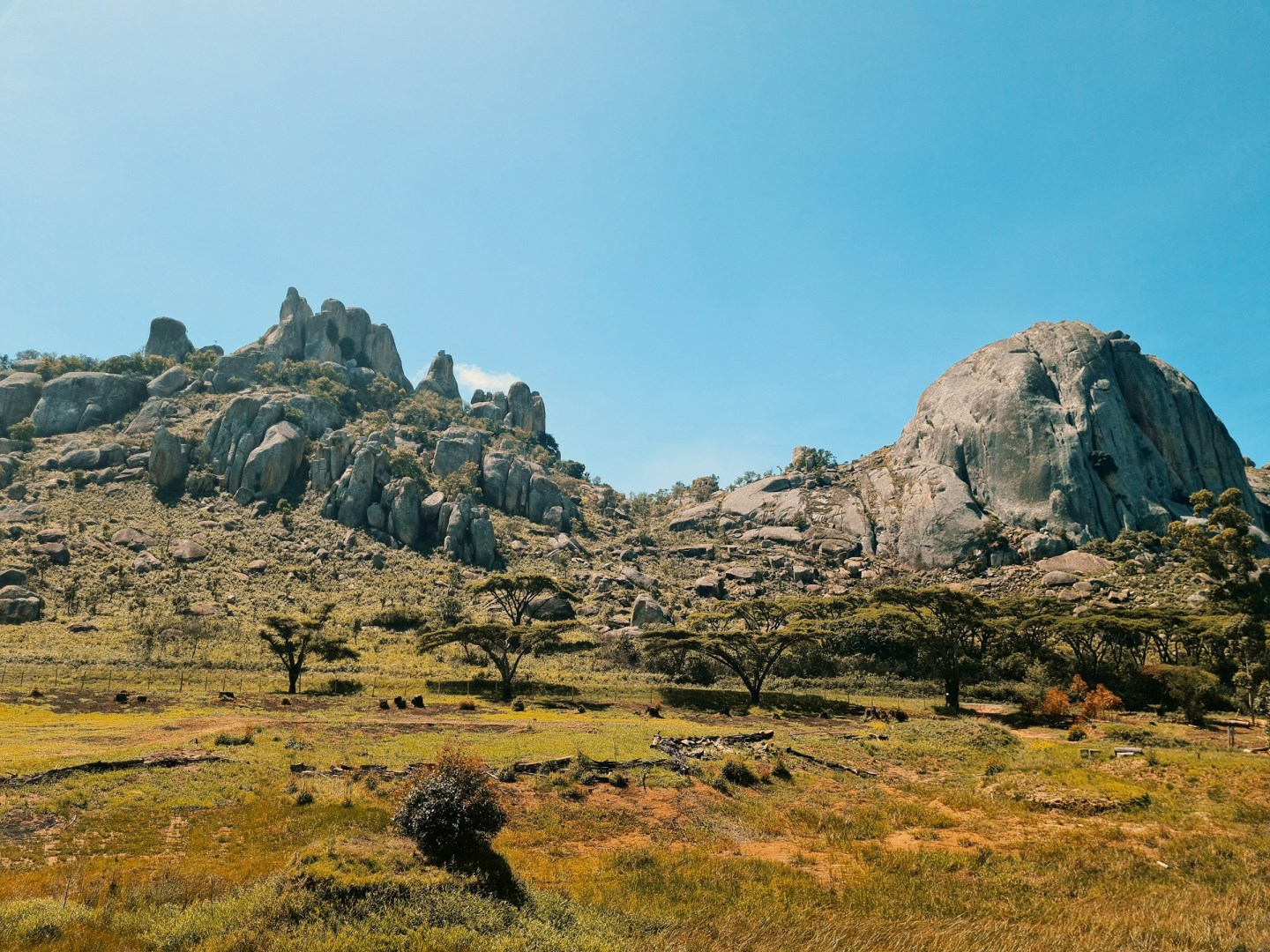
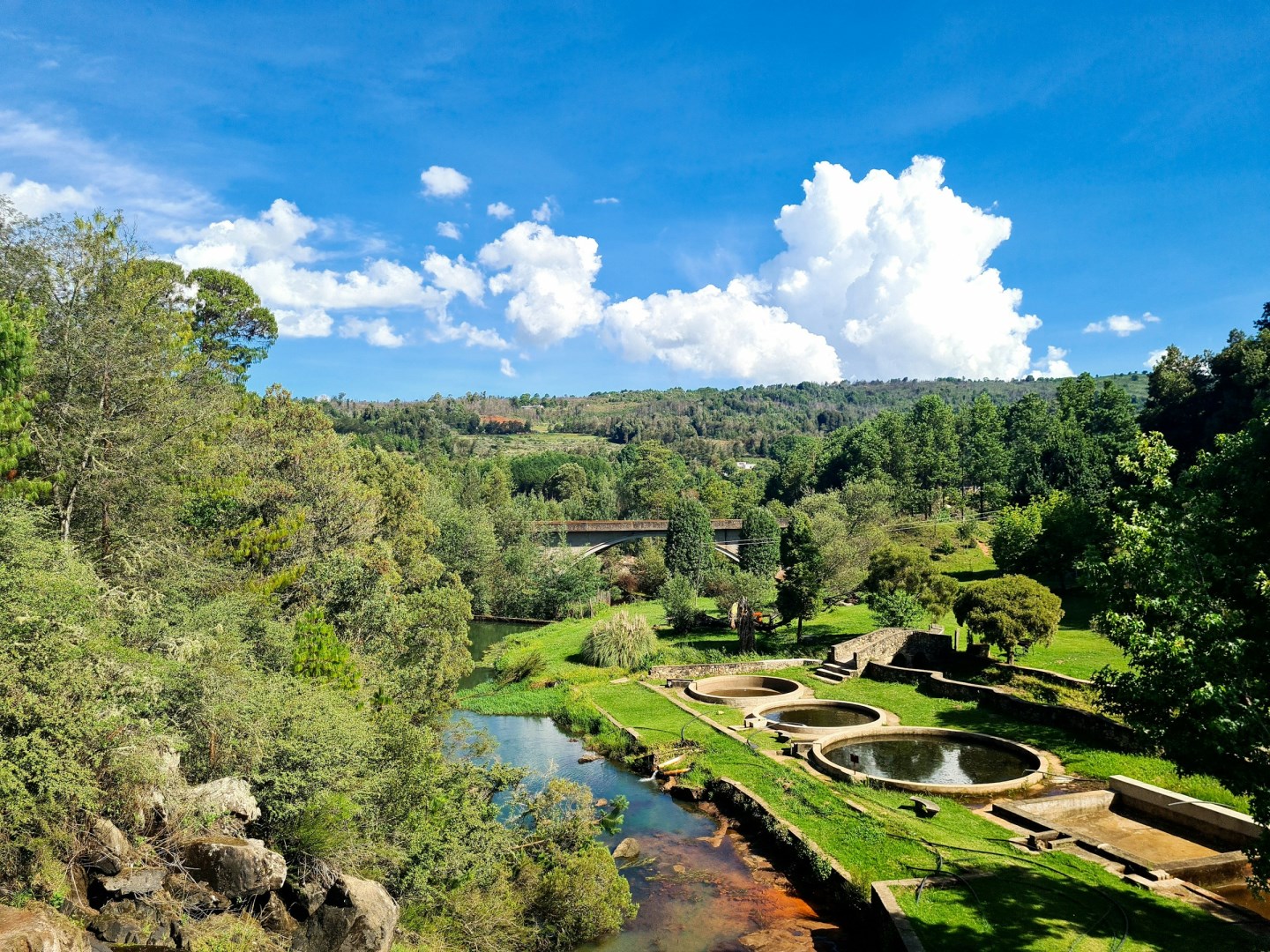
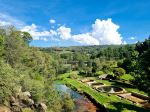
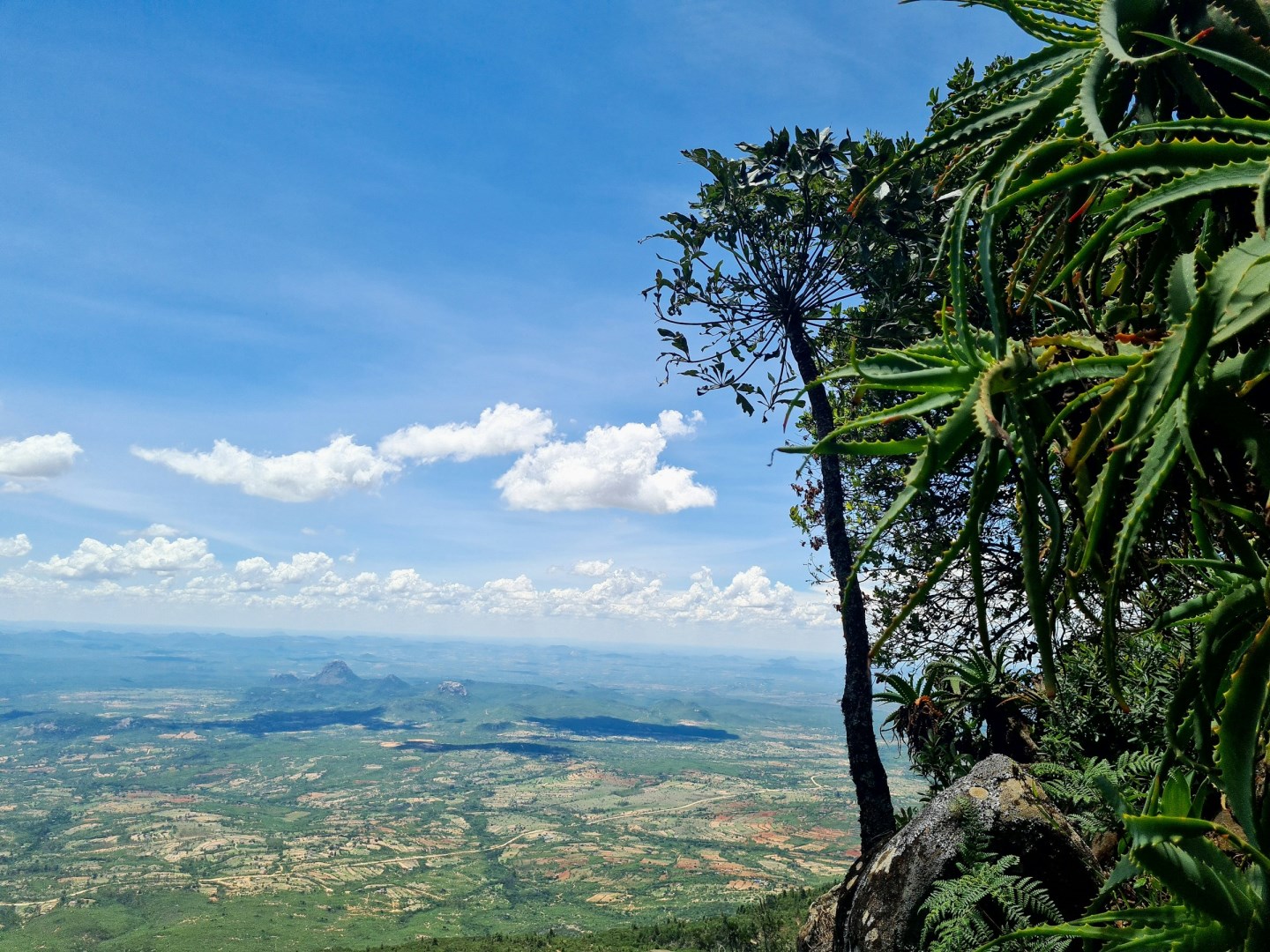
Nyanga is a highland destination in northeastern Zimbabwe, set within the rolling landscapes of the Eastern Highlands. The area is centered on Nyanga National Park, where open grasslands, mountain slopes, rocky outcrops, streams, and patches of woodland create a cooler environment than much of the country. Mount Nyangani, Zimbabwe’s highest mountain, rises above the surrounding plateau and is a defining landmark. The region is also known for its clear streams, waterfalls, historic stone structures, and cultivated valleys, giving Nyanga a landscape that combines highland scenery with archaeological and agricultural features.
The Nyanga area contains evidence of long-established settlement and agricultural practices, including extensive stone terraces and enclosures associated with farming communities. These structures form part of the wider Nyanga archaeological landscape and show how people adapted the steep terrain for cultivation and livestock keeping. Local communities include Shona-speaking groups whose traditions remain connected with farming, livestock, crafts, and the surrounding highlands. The area also contains traditional sacred sites and places associated with local beliefs. Today, community life continues alongside protected landscapes, commercial agriculture, and tourism centered on the national park and surrounding mountains.
Nyanga National Park offers hiking, mountain walks, fishing, birdwatching, and wildlife viewing across its varied terrain. Mount Nyangani provides several walking routes, while Nyanga’s highest waterfall, Mutarazi Falls, drops dramatically into a deep valley and is a major regional landmark. Pungwe Falls and the Pungwe River add further waterfalls and viewpoints. Wildlife includes zebra, eland, kudu, impala, wildebeest, bushbuck, and other antelope, while the park’s highland habitats support a wide range of birds. Rhodes Nyanga Hotel and nearby recreational areas provide access to scenic viewpoints, trails, and historic sites.
Food in the surrounding communities is based largely on crops and livestock, with maize, beans, vegetables, fruits, and dairy products forming part of everyday diets. The cool climate and fertile soils of the Eastern Highlands also support commercial production of tea, coffee, fruit, and other crops in the wider region. A distinctive feature of Nyanga is its network of ancient stone terraces, which extends across hillsides and valleys and remains visible within the modern landscape. The combination of archaeological remains, mountain grasslands, waterfalls, and agricultural valleys gives Nyanga a strong connection between the region’s natural environment and its long history of human settlement.